
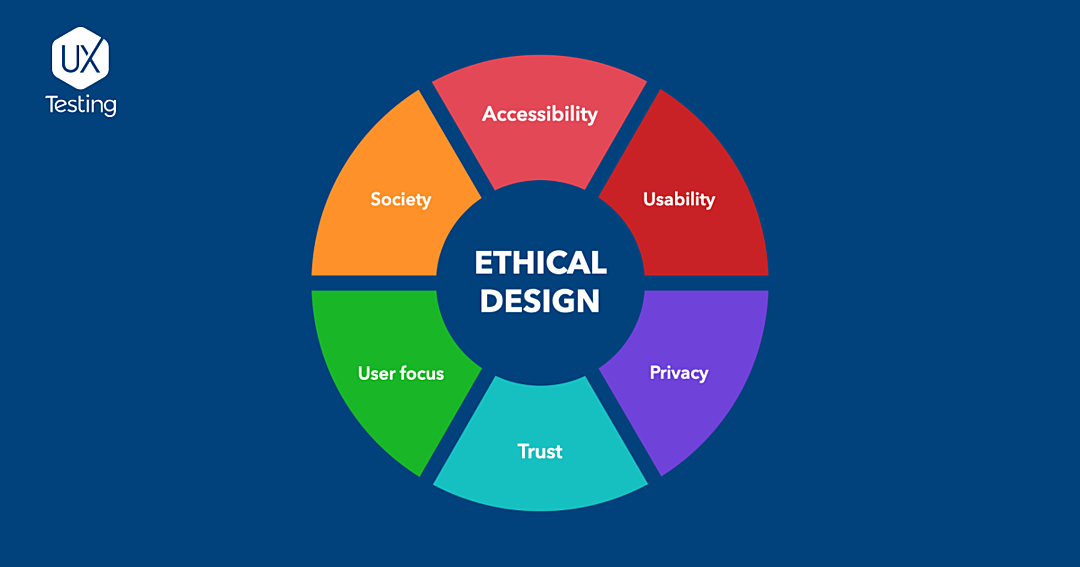
In the rapidly evolving world of digital platforms and online experiences, ethical design has become more than a moral consideration—it is a cornerstone for building trust between users and providers. At its core, ethical design is about creating systems, interfaces, and experiences that respect user autonomy, prioritize transparency, and promote fairness. When users sense that a product or service operates with integrity, their confidence in the brand grows, leading to stronger engagement and long-term loyalty.
One of the most fundamental aspects of ethical design is transparency. Users need clear information about how a platform works, how data is collected and used, and what choices they have regarding privacy and security. For instance, when websites provide concise, easily understandable privacy policies instead of burying critical details in lengthy legal jargon, users feel empowered. They are able to make informed decisions about participation and contribution. This transparency signals respect for the user’s right to understand and control their interaction, establishing a foundational layer of trust.
Closely tied to transparency is honesty in communication. Ethical design encourages presenting information in ways that are truthful and straightforward. For example, avoiding manipulative techniques such as hidden fees, misleading notifications, or deceptive interface elements helps users feel confident that they are interacting with a platform that values their time and intelligence. When users recognize that a service communicates honestly, even in situations where mistakes occur, they are more likely to forgive errors and maintain their relationship with the brand. Conversely, repeated experiences of deception, no matter how subtle, quickly erode trust and can lead to lasting reputational damage.
Another critical component is user autonomy. Ethical design emphasizes giving users control over their own experience. This includes providing choices, respecting user preferences, and avoiding coercive or manipulative design patterns often referred to as “dark patterns.” When users can make decisions freely and understand the consequences of those decisions, they feel respected. Platforms that force unnecessary steps or obscure critical functions, in contrast, create frustration and diminish confidence. By placing the user’s agency at the center of design, organizations signal that their goal is not simply to maximize engagement or profit, but to serve users’ genuine interests.
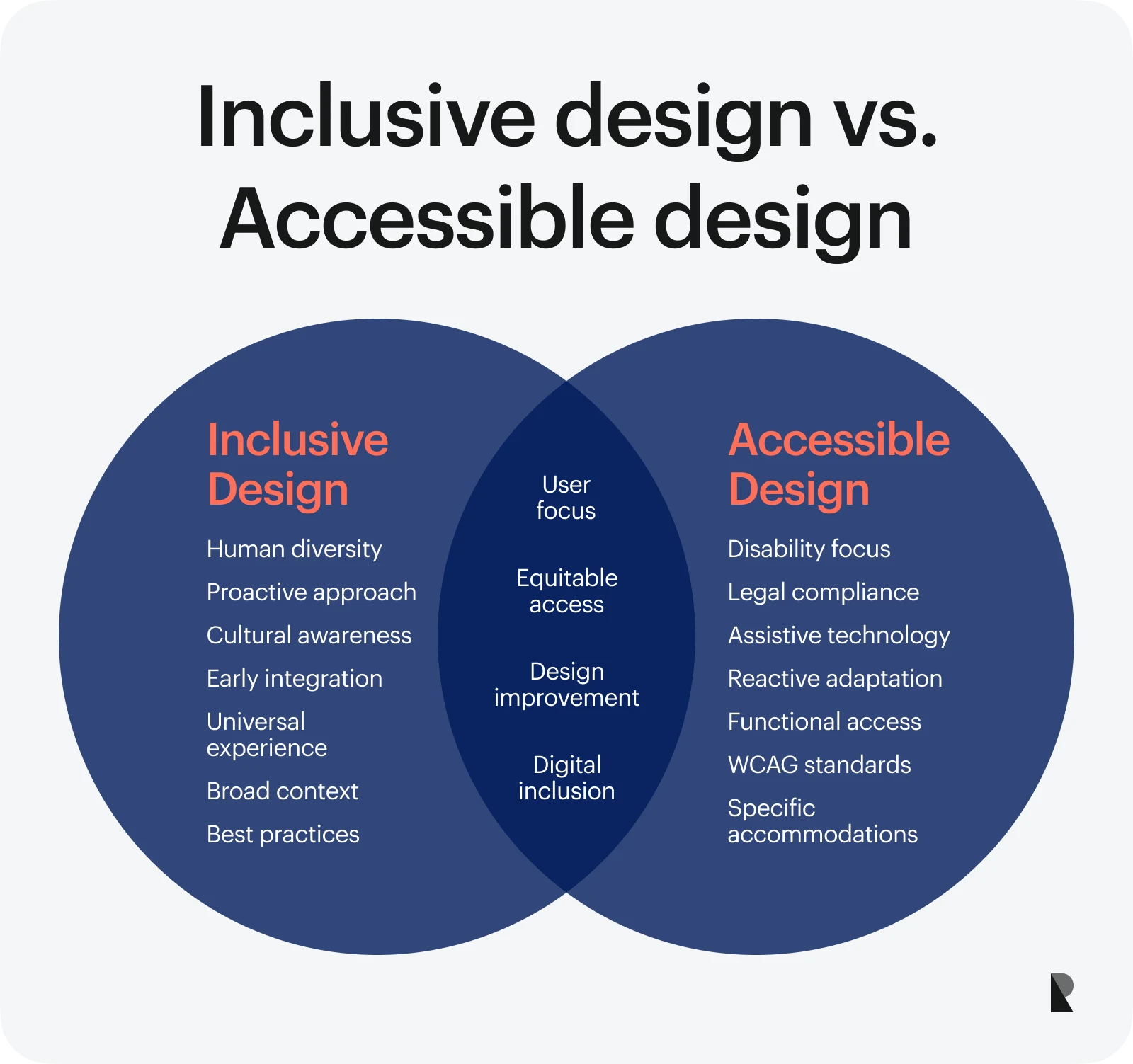
Fairness and inclusivity are also essential in fostering trust through ethical design. Systems should be designed to accommodate diverse populations, avoiding bias and ensuring equitable access. This might include designing interfaces that are accessible to people with disabilities, providing multilingual support, or ensuring algorithms do not perpetuate social biases. Users who encounter fair treatment are more likely to perceive the platform as legitimate and reliable. Conversely, experiences of exclusion or discrimination can rapidly damage trust, creating a sense that the platform prioritizes profit or convenience over the needs of all users.
Consistency and predictability in design further reinforce trust. Users feel more comfortable when a system behaves in expected ways, with clear feedback, stable navigation patterns, and reliable performance. Ethical design considers not only what the system can do, but how users perceive and experience those actions. Predictable interactions reduce cognitive load, allowing users to feel competent and confident. When unexpected behavior occurs, ethical systems provide clear explanations and solutions rather than leaving users confused or vulnerable. This approach demonstrates accountability and a commitment to user welfare, key components of trust.
Data ethics plays a particularly vital role in building confidence in digital experiences. Users increasingly recognize that personal information is valuable and vulnerable, making the ethical handling of data a critical determinant of trust. Platforms that adopt responsible data practices—minimizing collection to what is necessary, securing data rigorously, and being transparent about sharing practices—communicate a respect for privacy and safety. Ethical data stewardship reassures users that their information will not be exploited, manipulated, or exposed to unnecessary risk, reinforcing the perception that the platform is trustworthy.
Feedback and responsiveness are additional mechanisms through which ethical design strengthens trust. Providing avenues for user feedback, actively listening, and responding promptly to concerns shows that the platform values its users as partners rather than mere customers. Even when issues arise, demonstrating care and accountability through thoughtful responses can convert potential frustration into confidence. Users are more likely to maintain loyalty when they feel heard and respected, understanding that the platform is committed to continuous improvement and ethical responsibility.
Moreover, ethical design contributes to long-term engagement by nurturing a sense of community and mutual respect. When users perceive that their well-being is a priority, they are more likely to participate positively, recommend the platform to others, and remain loyal over time. Trust built through ethical practices reduces skepticism, encourages open interaction, and enhances the overall user experience. It creates a virtuous cycle where confidence drives engagement, and positive engagement reinforces trust.
Importantly, ethical design is not merely a defensive strategy; it is a proactive investment in brand reputation and user loyalty. In a landscape where users are increasingly discerning and have myriad alternatives, demonstrating commitment to fairness, transparency, and respect can differentiate a platform from competitors. Businesses that integrate ethical considerations into every stage of design—from conceptualization to implementation—send a clear message that they prioritize integrity alongside innovation.
Ultimately, trust is not granted; it is earned and maintained through consistent ethical behavior. Users evaluate their experiences holistically, noticing patterns of transparency, fairness, and respect. Ethical design aligns the goals of the platform with the interests of the user, reducing uncertainty and creating an environment where individuals feel safe, informed, and valued. Over time, this alignment fosters deep-seated confidence, transforming casual users into advocates and ensuring the sustainability of both digital experiences and the brands behind them.
Ethical design, therefore, is more than a principle; it is a practical approach to creating relationships based on respect, clarity, and integrity. By prioritizing transparency, autonomy, fairness, consistency, data responsibility, and responsiveness, designers can build systems that do not merely function but also inspire trust. In a world where users face countless choices and increasing scrutiny of digital practices, trust becomes a vital currency, and ethical design is its most reliable foundation.


Leave a Reply