
Markets are dynamic systems that respond not only to fundamental economic indicators but also to the tactical decisions made by companies, investors, and policymakers. Tactical changes, whether they involve shifts in pricing strategy, production adjustments, or alterations in marketing campaigns, can create immediate ripples across supply chains, investor sentiment, and consumer behavior. These adjustments, often smaller than strategic overhauls, serve as short-term maneuvers designed to optimize outcomes under specific conditions, yet their cumulative impact can significantly influence market dynamics.
One primary way tactical changes affect markets is through price adjustments. When a company decides to modify its pricing—either by discounting products to stimulate demand or raising prices to reflect higher costs—it can trigger shifts in consumer purchasing patterns. A temporary price reduction, for example, may boost short-term sales volume, draw customers from competitors, and increase market share. Conversely, a price hike may signal premium positioning or cost pressures, influencing investor perceptions of profitability and stability. These seemingly small decisions can initiate chain reactions, where competitors respond with their own tactical pricing maneuvers, creating a dynamic feedback loop that can alter supply-demand equilibrium in a sector.
Marketing campaigns also exemplify how tactical changes influence markets. By adjusting promotional messaging, targeting specific demographics, or timing campaigns to coincide with seasonal trends, companies can shift consumer attention and spending. A well-executed campaign can enhance brand visibility and loyalty, leading to increased sales and, in turn, affecting stock valuations for publicly traded firms. Conversely, a poorly timed or misaligned campaign may fail to resonate, causing temporary stagnation in sales or even negative sentiment. The cumulative effect of marketing tactics across an industry can redefine competitive landscapes, prompting rivals to adapt in order to maintain relevance.
Operational tactics, such as inventory management or supply chain adjustments, also have profound market implications. If a manufacturer optimizes production schedules to meet anticipated demand spikes, it may prevent shortages, maintain pricing stability, and reinforce consumer trust. On the other hand, an unexpected disruption or miscalculation can create scarcity, driving prices up and potentially attracting new market entrants seeking to capitalize on the imbalance. Investors and analysts often monitor these operational signals as indicators of a company’s efficiency, resilience, and foresight, which can influence market sentiment and valuation.
Investor behavior is highly sensitive to tactical shifts, particularly in financial markets. Portfolio managers frequently make tactical asset allocation changes to respond to short-term market conditions, economic data releases, or geopolitical events. These moves can result in rapid inflows or outflows in specific sectors, influencing liquidity and pricing. For instance, a sudden reallocation into technology stocks based on a perceived short-term advantage can boost market momentum, while simultaneous withdrawals from other sectors can depress valuations temporarily. Market reactions to these tactical allocations are often amplified by algorithmic trading, where computer-driven systems execute large volumes of trades based on predefined criteria.
Regulatory and policy changes also represent tactical shifts that affect markets. Governments and central banks may introduce temporary measures, such as interest rate adjustments, tax incentives, or subsidy modifications, to stabilize or stimulate economic activity. These actions can directly impact market liquidity, borrowing costs, and business investment decisions. Traders and firms respond rapidly to these signals, adjusting strategies and reallocating resources to capitalize on favorable conditions or mitigate risk. Even when tactical policy changes are short-lived, their influence on market expectations can have lasting consequences, particularly when they affect investor confidence or consumer spending patterns.
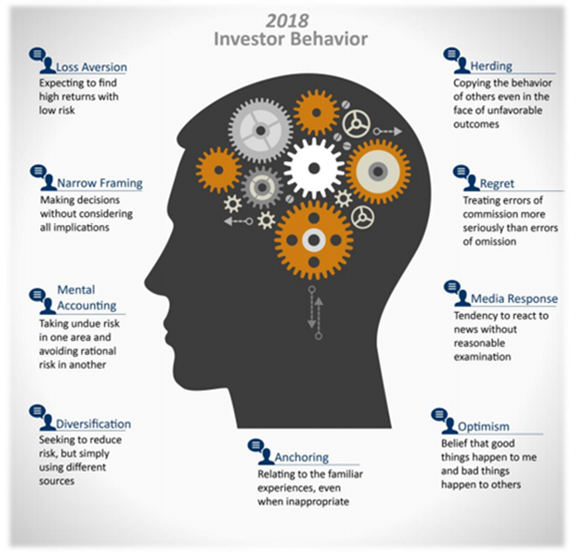
Tactical changes often interact with broader market psychology, shaping perceptions and behaviors. Market participants rely not only on fundamental analysis but also on interpretations of short-term maneuvers as signals of underlying strength, weakness, or opportunity. For example, a company announcing a temporary promotional initiative may be seen as a sign of proactive management, instilling confidence in investors and customers alike. Alternatively, frequent tactical adjustments without clear rationale may generate uncertainty or suspicion, potentially eroding trust and triggering cautious behavior. The collective interpretation of these actions contributes to market volatility, highlighting the psychological dimension of tactical influence.
Technology and data analytics have intensified the market impact of tactical decisions. Advanced modeling, real-time data tracking, and predictive analytics enable companies to implement precise, responsive adjustments that can immediately affect demand and pricing. Similarly, algorithmic trading systems can detect and react to market signals almost instantaneously, amplifying the effects of tactical shifts in asset allocation or sector rotation. As a result, the speed at which tactical changes propagate through markets has increased, making responsiveness a critical determinant of competitive advantage and market positioning.
Tactical changes also serve as testing grounds for strategic initiatives. By experimenting with minor adjustments, firms can gather insights about consumer behavior, pricing elasticity, and operational efficiency without committing to long-term structural changes. Successful tactical interventions can inform broader strategic planning, while unsuccessful ones provide lessons that help avoid costly missteps. This iterative process enhances market responsiveness, enabling firms to adapt more nimbly to evolving conditions and competitive pressures.
In addition to their internal effects, tactical decisions have broader systemic implications. When multiple firms within an industry simultaneously adjust tactics, the collective actions can redefine market norms, benchmarks, and competitive dynamics. For instance, if several competitors reduce prices to capture market share during a slow sales period, it can reset consumer expectations and compel others to follow suit, creating a temporary price war. Similarly, coordinated operational or marketing initiatives can set new standards for efficiency, service quality, or customer engagement. Observers of market trends, including analysts and policymakers, often consider these aggregated tactical behaviors as indicators of sectoral health and future trajectories.
Ultimately, tactical changes influence markets by shaping behaviors, expectations, and outcomes across multiple layers of economic activity. Whether through pricing, marketing, operations, investor actions, or policy adjustments, these short-term maneuvers generate feedback loops that ripple through supply chains, consumer behavior, investor sentiment, and regulatory frameworks. Their impact is amplified by technology, media, and interconnected global markets, highlighting the complexity of modern market ecosystems. Understanding the nuanced effects of tactical changes allows firms, investors, and policymakers to anticipate shifts, mitigate risks, and seize opportunities, reinforcing the interplay between tactical decisions and broader market performance.
The capacity to respond effectively to tactical changes, while maintaining strategic alignment, often distinguishes resilient market participants from those vulnerable to volatility. Observing, analyzing, and learning from the outcomes of these short-term actions provides valuable insights that inform both day-to-day operations and long-term strategy. By acknowledging the interconnectedness of tactical adjustments and market reactions, stakeholders can cultivate agility, sustain competitive advantage, and contribute to overall market stability.



Leave a Reply